







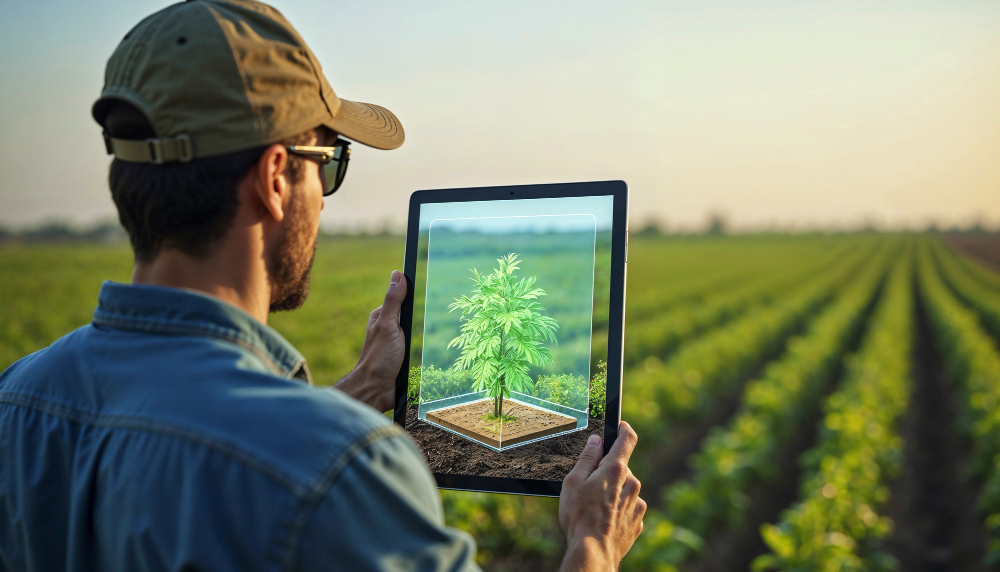
Sure! Here's an excerpt for your article: --- When it comes to tackling the planet’s big environmental challenges, technology is stepping up in some pretty exciting ways. From cleaner energy to smarter waste management, innovation is proving to be a game-changer for the environment. It’s no secret that human activity has taken a toll on Earth—climate change, pollution, deforestation—you name it. But the good news is that tech is helping us turn the tide in some really inspiring ways. One major area of progress is renewable energy. Solar panels, wind turbines, and even newer tech like tidal and geothermal energy are making a big impact. For example, more efficient solar cells are now capable of capturing sunlight even on cloudy days, and large-scale solar farms are sprouting up across sunny regions, providing clean electricity to millions. Meanwhile, advances in battery storage tech are allowing us to store excess energy and use it when needed, which is key to reducing reliance on fossil fuels. These innovations are making renewable energy not just more sustainable, but also more affordable. Another exciting development is in the realm of smart cities. Cities are integrating sensors and IoT (Internet of Things) devices to monitor air quality, optimize traffic flow, and manage waste more efficiently. Imagine a city that automatically adjusts traffic lights to reduce congestion and pollution or smart trash bins that notify waste services when they’re full, saving fuel and reducing emissions. These systems help cut down on unnecessary idling and emissions, making urban environments cleaner and healthier. In agriculture, tech has been a friend to the environment too. Precision farming uses GPS-guided machinery, drone surveillance, and soil sensors to optimize water usage, reduce fertilizer runoff, and increase crop yields. This means less water waste and fewer chemicals seeping into our rivers and streams. Moreover, innovations in plant-based proteins and lab-grown meats are helping decrease the environmental footprint of our diets by reducing the need for resource-intensive livestock farming. Waste management is another area where technology is making a difference. Recycling apps and AI-driven sorting systems are improving waste separation, increasing recycling rates, and reducing landfill overflows. Additionally, advances in biodegradable plastics and waste-to-energy technologies are paving the way for a more circular economy, where less waste ends up in landfills. Of course, these innovations are just the tip of the iceberg. As technology evolves, so do the opportunities to protect our planet. While we still face enormous challenges, it’s reassuring to see that science and innovation are providing us with new tools to build a more sustainable future. The key moving forward will be to adopt and scale these solutions worldwide, making a real difference for our environment—and for future generations. --- Would you like me to extend or focus on any specific innovations?